7 hr 30 min
Santiago Island Discovery with Local Flavors & Tarrafal Beach
Full-day adventure exploring mountain vistas, traditional cuisine, vibrant markets, and pristine beaches
Reserve
Hand-picked by our editors — only the best 5 experiences from 12 reviewed.
Verified partners for every tour, free cancellation where available, and instant confirmation on every booking.
7 hr 30 min
Full-day adventure exploring mountain vistas, traditional cuisine, vibrant markets, and pristine beaches
Reserve
8 hr
Explore Cape Verde's largest island on an 8-hour journey through mountain villages, natural parks, and fishing towns.
Reserve
8 hr
Journey across Santiago's diverse landscapes, from mountain parks to coastal villages, with fruit tastings
ReservePrices from verified partners. Availability updates in real time at checkout. Free cancellation policies apply where shown.
The landmarks, rooms, and views travelers on this tour remember — all visible on a single visit.
A sprawling market featuring hundreds of stalls with fresh produce. It is the primary source of fresh ingredients for many city restaurants and a highlight for any santiago chile food tour.
This historic building features an ornate iron roof constructed in the 19th century. It remains a focal point for visitors interested in local seafood.
The central square of the city surrounded by historical buildings. It provides a look into the colonial past of Santiago.
A beautifully landscaped hill offering panoramic views over the city skyline. It contains stone fountains and historical monuments.
An impressive religious landmark dating back to the 18th century. The interior design showcases colonial artistic mastery.
They complement each other; most visitors who do both find that the Santiago Chile food tour provides deeper market immersion while the class offers superior technical training. You can secure santiago chile food tour tours for guided exploration or opt for santiago chile food tour tickets to professional kitchen workshops.
| Feature | Top pick Food Tour | Cooking Class |
|---|---|---|
Market immersion |
High exposure to vendors | Limited or none |
Hands-on activity |
Tasting focused | Preparation and cooking |
Skill level required |
None | Beginner to intermediate |
Interaction with locals |
Direct merchant engagement | Instructor and staff focus |
Time commitment |
3–4 hours | 4–5 hours |
Booking requirements |
santiago chile food tour tour | Advanced registration required |
| See tickets → |
Verdict: Choose the guided market excursion if you prioritize raw cultural discovery, whereas the cooking class is the preferred selection for travelers seeking hands-on culinary techniques.
Choose your ticket, select your date, and reserve in under two minutes. Secure checkout handled by our verified partner.
Instant confirmation by email, with a mobile voucher you can save offline. No printing, no queuing at a collection desk.
Arrive at the entrance, show your voucher on your phone, and walk in. Most tickets include priority or skip-the-line access.
Practical details for your visit straight from our verified partners — hours, access, rules, and how to get there.
Artesanos 710, Santiago
Primary meeting spot for market tours
Use the Metro de Santiago to reach central stations like Cal y Canto. It is the most efficient way to access major market areas.
Casual and comfortable clothing is recommended for your santiago chile food tour as you will likely be walking on uneven market floors. Wear sturdy walking shoes to navigate busy aisles.
Keep your belongings secure and in front of you while navigating crowded Santiago landmarks. Large backpacks are discouraged as they can be cumbersome in tight market stalls.
Photography is generally welcomed during a santiago chile food tour, especially at vibrant fruit and vegetable stands. Always ask vendors for permission before taking close-up portraits.
Navigating a local Santiago market tour can be challenging due to narrow corridors and uneven terrain. Discuss specific mobility needs with your guide before booking your Santiago culinary experience.
Mobile phones are useful for navigation and photos, but remain vigilant when using them in public areas. Keep your device tucked away when not in use during your walking tour.
Children are welcome on many tours, though the fast-paced nature of a santiago chile food tour may be tiring for younger guests. Check if your chosen operator provides child-friendly tasting portions.
This santiago chile food tour focuses on authentic local flavors like empanadas and pastel de choclo. Please inform your operator of any food allergies in advance.
Service animals are permitted, but standard pets are not recommended for a crowded santiago chile food tour. Ensure your accommodation arrangements handle pet care while you explore.
Tipping is customary in Chile, so carry some small bills for your local guides. Staying hydrated is essential when exploring the city during the warmer months.
Best time to go, insider tips, nearby landmarks, and the cancellation fine print — flip through to skim what matters to you.
How crowds, weather, and events shift across the year.
September to November offers mild temperatures and blooming local gardens. It is the perfect window for a santiago chile food tour to enjoy seasonal produce. Summer
Small details that turn a good visit into a great one.
The santiago chile food tour involves multiple tastings, so skip a heavy breakfast. You will want to sample as many local items as possible. Learn basic Spanish
Non-bookable sights within a short walk — free to visit, easy to pair.
The historic heart of Santiago featuring colonial architecture. It serves as a central hub for city navigation and cultural events.
Flexible, no hidden fees.
Most operators allow full refunds for a santiago chile food tour if cancelled at least 24 hours in advance. Please refer to your booking confirmation for specific operator terms regarding the 0 CLP service fee.
Hand-picked options within walking distance — pick a district for vibe, or a specific hotel for convenience.
Central location close to major transport hubs and key landmarks.
Santiago Island produces eighty percent of Cape Verde's agricultural output yet remains one of West Africa's least-visited culinary landscapes. The island's interior valleys—ribeiras—funnel Atlantic moisture into terraced slopes where farmers grow sugarcane, manioc, and banana varieties found nowhere else in the archipelago. Vega Central market in Praia, the capital, opens before dawn and operates until mid-afternoon, its concrete aisles stacked with dried tuna, fresh goat cheese wrapped in banana leaves, and grogue, the cane spirit distilled in backyard alembics across the interior. The market anchors a food culture shaped by four centuries of transatlantic exchange: enslaved Africans introduced okra and black-eyed peas; Portuguese colonizers planted citrus and wheat; Sephardic merchants traded in spices that now season catchupa, the national slow-cooked stew of hominy and beans. The island's food identity emerged less from abundance than adaptation. Colonial-era rationing forced cooks to stretch ingredients—corn became bread, flour, and porridge; dried fish replaced fresh catch during droughts. Cachupa, traditionally prepared overnight in clay pots, reflects this pragmatism: every ingredient serves a purpose, and nothing is wasted. By the twentieth century, Santiago's cuisine had become a living archive of Creole resilience, its recipes passed through oral tradition rather than written record. Today, the island's markets and village kitchens preserve techniques that predate mechanized agriculture—hand-ground spices, wood-fired ovens, salt curing in ocean wind. A Santiago Chile food tour connects three distinct food zones: Praia's morning markets, where vendors speak Kriolu and transactions happen in Cape Verdean escudos; the interior ribeiras, where family-run trapiches press sugarcane into grogue using iron rollers installed a century ago; and the northern fishing villages like Tarrafal, where women grill lobster and grouper on charcoal braziers steps from the tide line. These tours operate year-round, with departures timed to market hours and coastal tides. Unlike packaged culinary circuits in Europe or Asia, Santiago Chile food tour experiences prioritize access over itinerary—guides negotiate entry to private distilleries, arrange impromptu tastings in village cooperatives, and translate the social rituals that govern Cape Verdean hospitality. The island's compact size permits full-day loops from Praia, covering highland agriculture, coastal fishing traditions, and urban street-food culture in a single route.

"Santiago's food identity emerged less from abundance than adaptation."
A step-by-step walkthrough of the visit — what you'll see, how long each stage takes, and the details that matter.
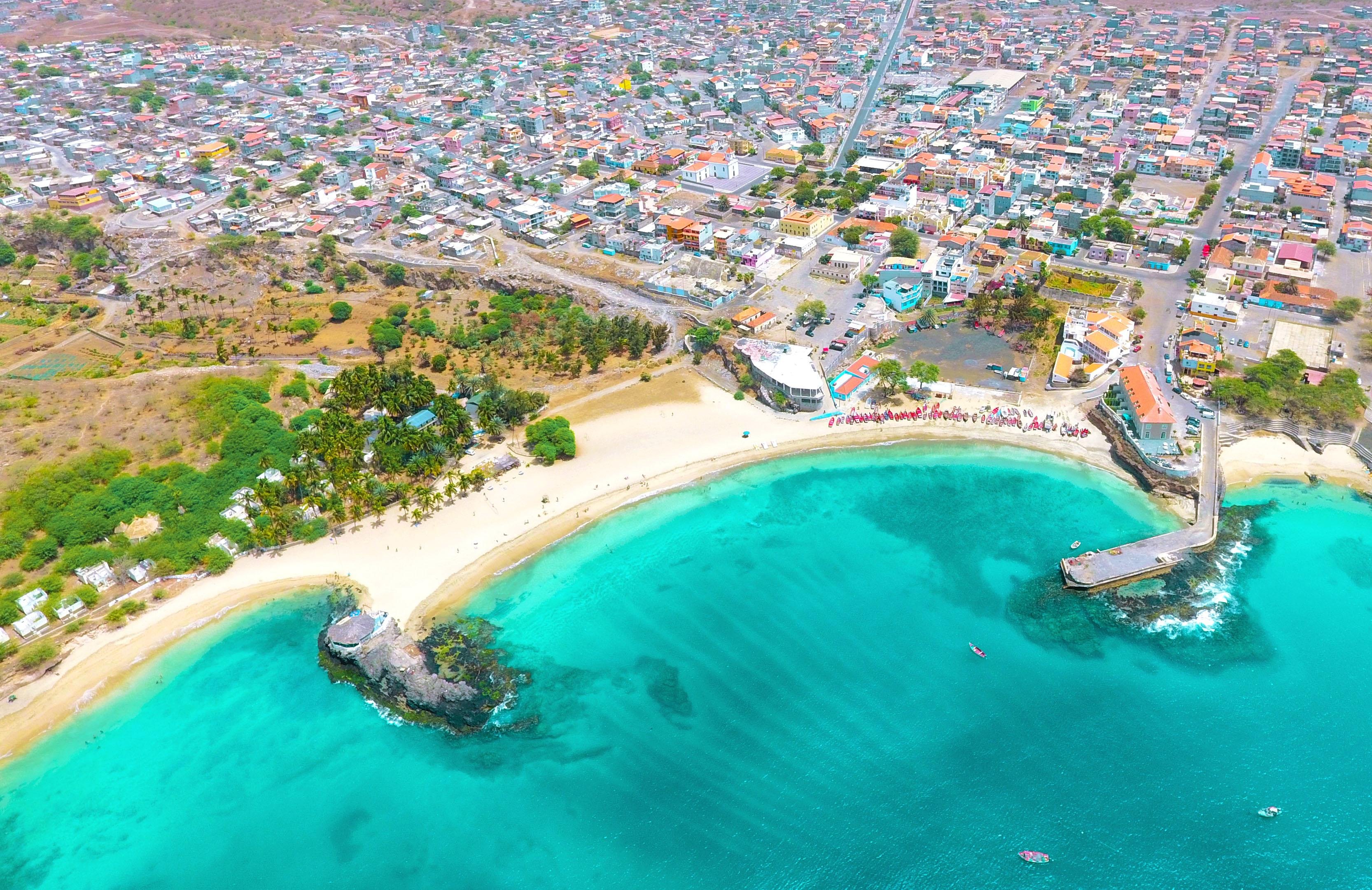
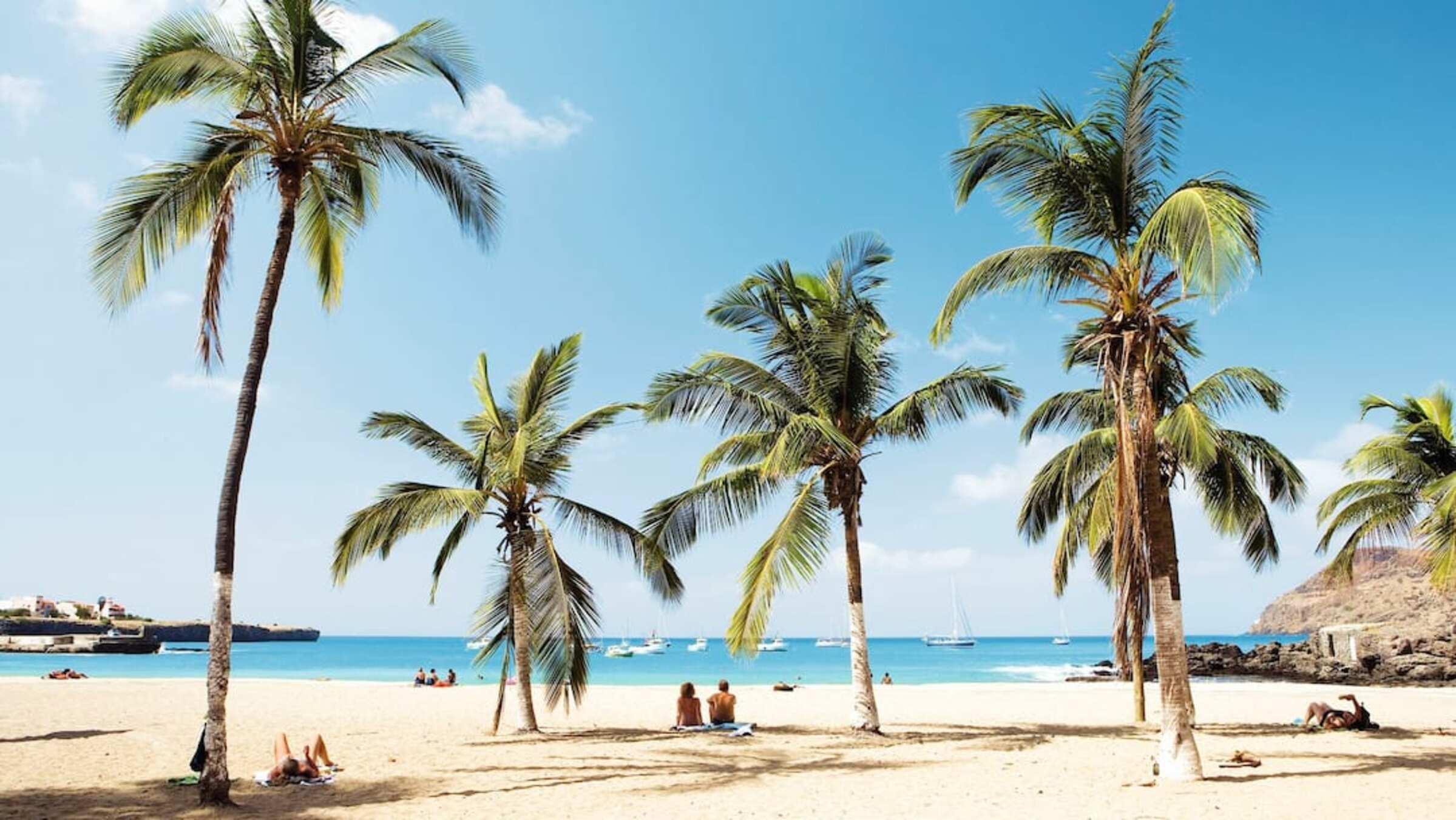
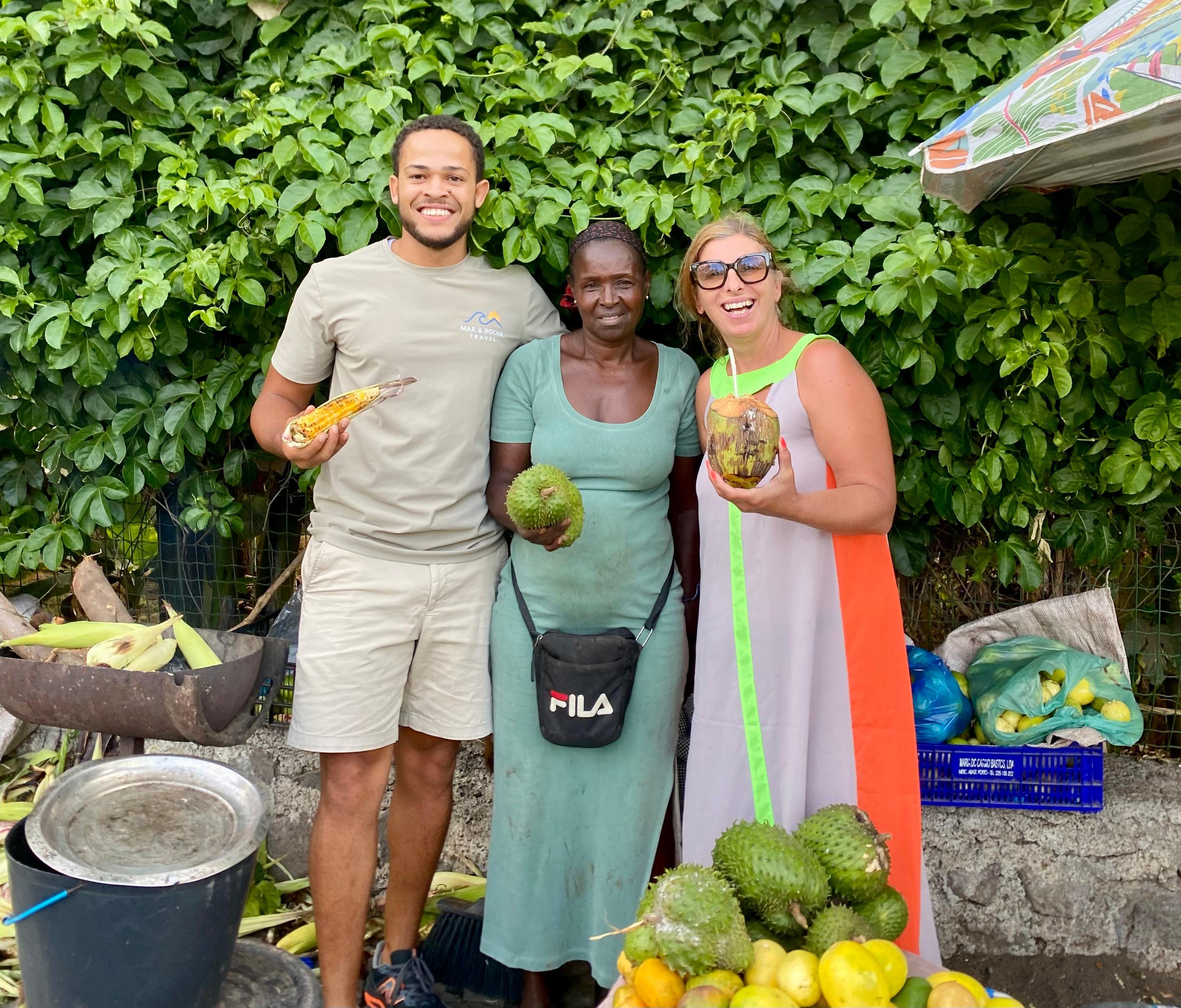
You begin in Praia before the city wakes, entering Vega Central as vendors arrange pyramids of papaya and dragonfruit under fluorescent tubes. Your guide leads you past fish stalls where tuna steaks glisten on ice, pausing at a corner where an older woman fries pastéis—crispy turnovers stuffed with spiced tuna—in a blackened wok. You taste one while it's still too hot, the pastry shattering into flakes. The tour moves inland, climbing switchbacks into the ribeira valleys. At a family trapiche, you watch sugarcane stalks fed into iron rollers, clear juice streaming into plastic jugs. The owner pours shots of grogue aged in oak barrels, its burn softened by hints of vanilla and smoke. By midday you've reached Tarrafal, where the Atlantic wind carries the scent of grilled fish. Lunch is served at a beachfront shack: grilled lobster with lime, rice cooked in coconut milk, and a side of cachupa refogado—yesterday's stew pan-fried until crisp. You eat with your hands, cracking shells and soaking bread in garlicky oil. The afternoon brings a walk through Cidade Velha, Cape Verde's oldest settlement, where your guide buys queijadas—sweet cheese tarts—from a vendor operating out of a colonial ruin. You return to Praia as the market closes, vendors hosing down concrete and rolling shutters. The day has covered fifty kilometers and a dozen dishes, each one tied to a landscape you can still taste.
Many operators can accommodate dietary needs if notified early, though traditional Chilean cuisine relies heavily on meat. Confirm your preferences when booking your santiago chile food tour.
The 0 CLP figure indicates that the entry to public markets is free, while the tour itself is a service provided by independent operators. Always check your specific santiago chile food tour booking for exact costs.
The best arrival window is 09:00–15:00 when markets are most active. This timing ensures you experience the full vibrancy of a santiago chile food tour.
Market accessibility varies, so please verify specific route details with your guide. Some older areas may be difficult to navigate during your santiago chile food tour.
You can join by booking directly through independent operators found on this platform. Ensure you meet at the designated Santiago address provided.
Yes, but be aware of the walking requirements for a santiago chile food tour. Check with your provider about the pace of the walking tour.
Yes, photography is encouraged at local landmarks during your santiago chile food tour. Please be respectful of market vendors while capturing images.
Most operators allow cancellations with a refund if requested 24 hours prior. Check your specific santiago chile food tour booking terms for details.
Yes, the Plaza de Armas and Mercado Central are within walking distance. These landmarks are great to explore after your santiago chile food tour.