
English| EUR
Suggested for you
More currencies
Choose a language
Santiago sits at the center of Chile's wine country, with Maipo and Casablanca valleys reachable within an hour. Food and wine tours operate year-round across the city's central markets, traditional neighborhoods, and surrounding vineyard estates. This guide covers what these experiences include, how they run, and what to coordinate before you go.
Quick answer
A Santiago food and wine tour typically runs between 3 and 8 hours depending on whether you explore the city's markets and neighborhoods or venture into nearby wine valleys. Most tours operate daily and start between 09:00 and 17:00 to align with daylight hours for walking and tasting. City-based culinary tours focus on Mercado Central, Barrio Lastarria, and Barrio Italia, while wine-focused experiences include transportation to estates in Maipo, Casablanca, or Colchagua valleys.
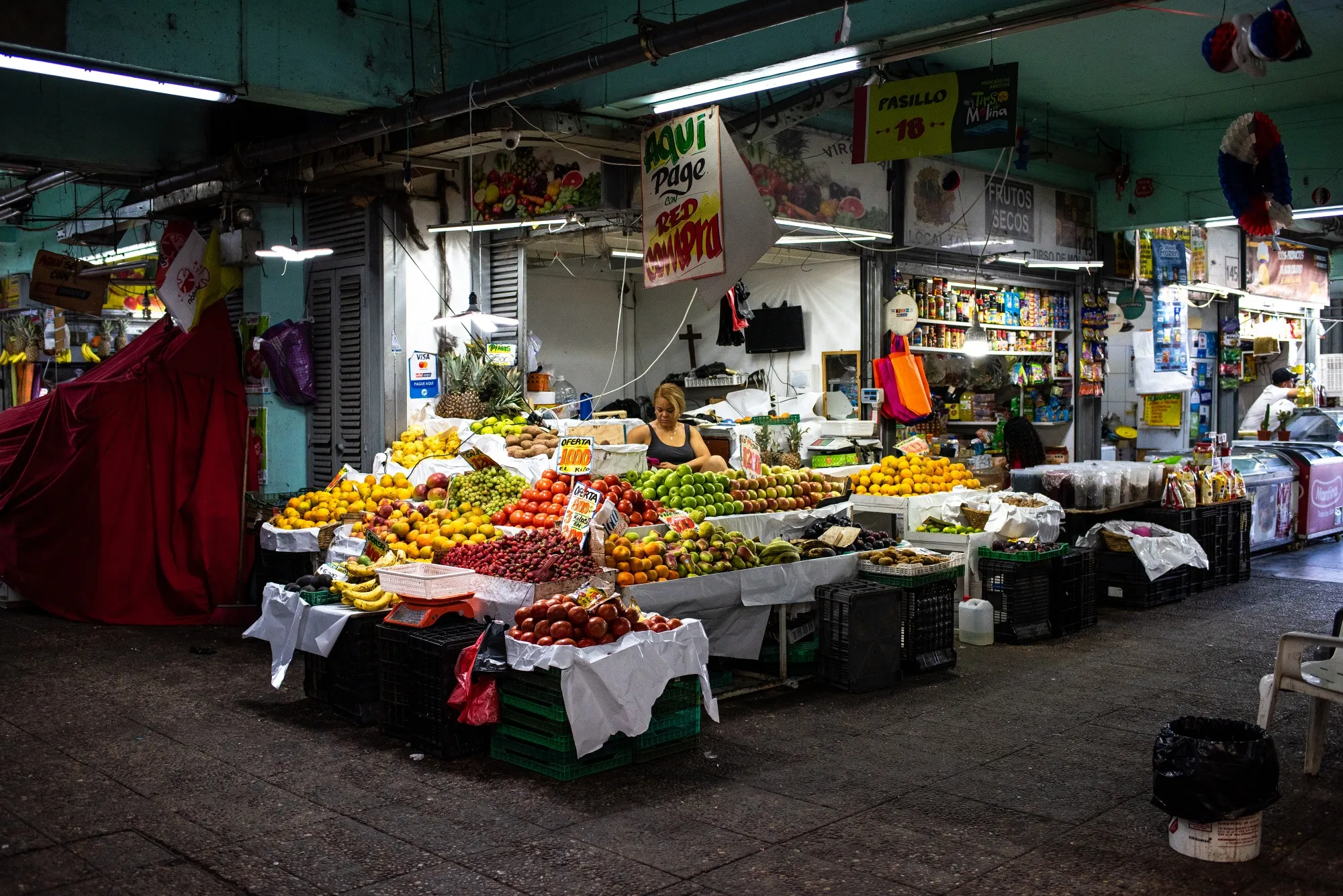
Chile produces more wine per capita than nearly any country on earth, and Santiago's geography places it at the crossroads of three major wine valleys within 90 minutes' drive. The city itself anchors a distinct culinary identity shaped by Pacific seafood, Andean ingredients, and European immigration waves that introduced charcuterie, pastry techniques, and wine culture to the Chilean table. Tours built around this combination appeal to visitors who want both the urban market experience and access to vineyard estates without needing to rent a car or navigate rural routes independently. A santiago food and wine tour in the city center typically begins at Mercado Central, a cast-iron structure dating to 1872 where fishmongers sell congrio, reineta, and sea urchin harvested that morning from the Humboldt Current. Guides lead groups through the market's interior aisles, stopping at stalls for ceviche, machas a la parmesana, and pastel de jaiba while explaining the role of merken, a smoked chili seasoning indigenous to Mapuche cuisine. From there, routes move into Barrio Lastarria or Barrio Italia, residential districts where independent wine bars pour small-production labels from Itata and Bío Bío alongside empanadas, completos, and sopaipillas. These neighborhood walks occupy 3 to 4 hours and require moderate stamina for cobblestone streets and frequent standing intervals at tasting counters. Wine valley tours operate differently. Operators arrange private or small-group transport to estates in Maipo Valley, the oldest and closest denominación to Santiago, or Casablanca Valley, known for cool-climate Sauvignon Blanc and Pinot Noir. A typical valley itinerary visits two or three wineries, includes guided tastings of four to six wines per stop, and incorporates a seated lunch paired with reserve-tier bottles. Concha y Toro, Santa Rita, and Cousiño Macul maintain historic estates open to the public, while boutique producers like Haras de Pirque and Viña Aquitania offer smaller-scale experiences with winemaker interaction. These full-day programs last 6 to 8 hours, departing Santiago in the morning and returning by early evening. Tour providers require advance booking, especially during the southern hemisphere summer harvest season from February through April when vineyard visits include fermentation cellar access. Most experiences include all tastings, meals, and transportation in the quoted rate, though gratuities for guides and drivers remain separate. Participants should confirm whether the tour format is private, shared, or customizable, as this determines group size and flexibility for dietary restrictions or specific wine varietals. Some operators combine city markets with a single winery visit, creating hybrid tours that span both urban and rural settings within a 5-hour window.
“Santiago's geography places it at the crossroads of three major wine valleys within 90 minutes' drive.”
The most effective time to experience a food and wine tour in Santiago is during the daylight hours of 09:00–17:00, which provides the necessary visibility for city walking and visiting vineyards. Planning your visit around the shoulder seasons ensures comfortable temperatures and access to peak agricultural activity.
Mild, 15°C–25°C; dry and sunny
The grape harvest makes this period ideal for vineyard tours. The weather remains pleasant for walking city markets.
Cool, 3°C–15°C; occasional rain
Fewer crowds allow for more personalized experiences. Bring layers for cooler outdoor temperatures.
Warm, 10°C–22°C; clear skies
The parks and surrounding valleys are in bloom. These months offer a balance of comfortable temperatures and manageable tourist traffic.
—
Operating within this window ensures full access to outdoor tastings and urban food tours. This timeframe is essential for navigating city streets safely.
Verdict: The best time for a tour is between September and November or March and April, specifically targeting the 09:00–17:00 window to maximize daylight for tastings and exploration.
This itinerary suits travelers who want to experience Santiago's culinary scene and wine regions in a single day. Plan for 8–10 hours including travel time to vineyards.
Start at Mercado Central to see fresh seafood displays and sample local produce. Spend 60–90 minutes walking the stalls and trying empanadas or completos from vendors.
Move to Bellavista for wine bars and small-plate restaurants showcasing Chilean varietals. This district clusters venues within a few blocks, minimizing walking between stops.
Settle into Barrio Lastarria for a sit-down meal pairing Chilean wines with seasonal dishes. Most restaurants here offer tasting menus that highlight Maipo Valley or Casablanca wines.
Drive 45–60 minutes south to a Maipo Valley estate for a guided tasting and cellar tour. Reserve 2–3 hours for the full experience including barrel rooms and vineyard walks.
Head back to the city center as daylight fades. Evening traffic can extend the return to 90 minutes, so factor that into dinner plans.
Santiago is located in central Chile, serving as the central hub for accessing both urban culinary centers and nearby wine valleys. Most visitors utilize the extensive metro system within the city or private transfers to reach rural vineyards.
Line 1 (Red Line) to city center stations
Licensed 'Radio Taxis' throughout Santiago
Route 68 or Route 5 to surrounding valleys
Central neighborhoods like Lastarria or Bellavista
For local food tours, the best arrival window is 09:00–17:00, as daylight hours are optimal for city walking and wine tasting activities. Confirm your meeting point address in Santiago, Chile, prior to departure to ensure seamless transport coordination.
Santiago food and wine tours focus on traditional Chilean staples like empanadas, pastel de choclo, and the signature Carménère grape. Visitors can experience these flavors in bustling central markets or quiet, specialized wine bars located throughout the city center.
market
This historic market offers fresh seafood dishes such as paila marina in the heart of the city.
market
Located near the Mapocho River, this large market provides a look at local produce and traditional street snacks.
restaurant
A specialized wine bar in the Lastarria neighborhood that focuses on regional Chilean grape varieties and guided pairings.
restaurant
A classic Santiago establishment with locations near Providencia serving traditional Chilean comfort food in a relaxed environment.
Prepare for a day of walking, tasting, and exploring Santiago's culinary scene.
Everything you need to know about santiago food and wine tour
A santiago food and wine tour typically introduces visitors to local markets, traditional empanadas, and regional Carmenere varietals. Participants explore iconic neighborhoods while sampling authentic flavors guided by local experts. Most excursions prioritize immersive cultural experiences that highlight historical recipes. Many operators welcome families on a santiago food and wine tour, though it is advisable to check the specific policy regarding alcohol service for minors beforehand. Some activities may be more suitable for younger travelers depending on the pace and duration of the walk. Always verify age requirements with the provider prior to booking. The best arrival window for activities is 09:00–17:00 to maximize daylight for exploration. Planning your visit within this period ensures the most favorable conditions for outdoor walking and vineyard visits. As this is a generic service type, the entrance fee is 0 USD. Please note that individual service providers set their own participation fees, which are handled via their booking platforms. Participants should expect a fair amount of walking on a santiago food and wine tour as they move between various eateries and venues. Comfortable footwear is recommended to navigate the streets of Santiago effectively. Tours are often designed to cover several city blocks to showcase diverse culinary spots. While some experiences may accept walk-ins, booking a santiago food and wine tour in advance is recommended to ensure availability during peak periods. High demand for popular routes can lead to limited capacity on specific days. Securing a spot early helps in organizing your itinerary efficiently. Guests typically sample a variety of Chilean wines such as Cabernet Sauvignon, Merlot, and the signature Carmenere. Local refreshments often include pisco sours and various artisanal fruit juices. These beverages are carefully selected to pair with traditional appetizers and main courses encountered throughout the experience.
Santiago Culinary Tours
Read more Tickets & toursSantiago de Compostela Food Tours
Read more Tickets & toursSantiago Chile Food Tours
Read more GuideSantiago Food Tasting Tours
Read more GuideSantiago Airport Food Options
Read more GuideSantiago Walking Food Tours
Read more Tickets & toursSantiago Street Food Tours
Read more