
English| EUR
Suggested for you
More currencies
Choose a language
A guided food walk in Santiago is not a place you turn up to — it is a scheduled service with a meeting point that changes from operator to operator. This santiago culinary guide explains how those schedules work, what the arrival window means in practice, and which details sit on your booking confirmation rather than on any signboard.
Quick answer
There is no entrance fee: the listed cost is 0 CLP, because a santiago culinary tour is a service rather than a fixed site. Plan around the 09:00–17:00 arrival window, though start times vary by operator, so the confirmation is the only reliable source. Published venue hours read as Closed across all seven days, which reflects the absence of a permanent address.
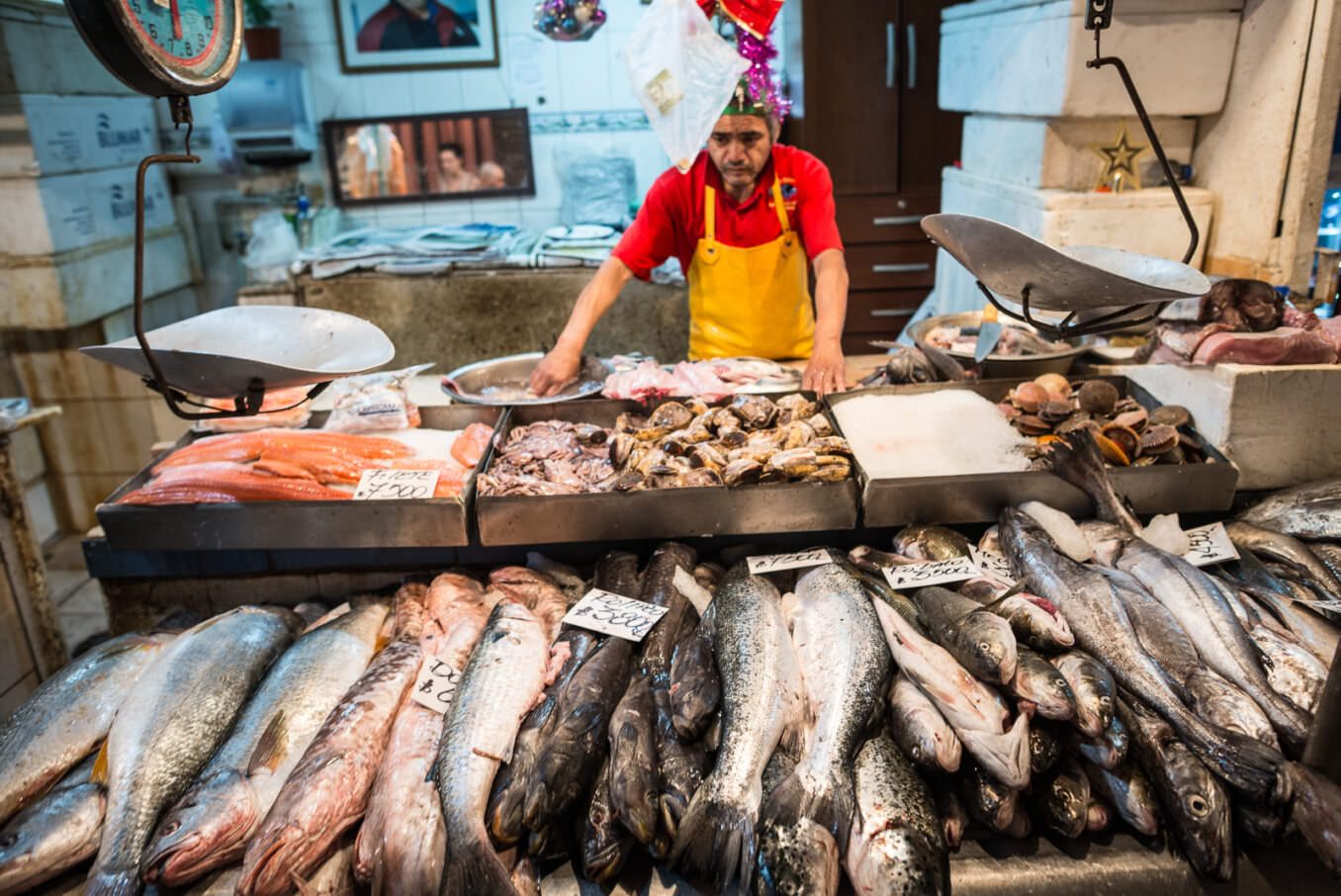
Santiago sits in a valley where three food cultures collide within a few Metro stops: the Andean produce that arrives overnight from the Central Valley, the Pacific catch trucked up from San Antonio, and the Levantine and Peruvian kitchens that reshaped the city's cooking through the twentieth century. That geography is why a santiago culinary tour rarely stays in one district. Routes stitch together Mercado Central, the tiled halls of La Vega Chica, the German-influenced bakeries around Barrio Italia and the palta-heavy sandwich counters of the Centro. The practical consequence matters more than the history. Because these food walks are operator-run services, not buildings, the page-level details behave differently from a museum listing. The address resolves simply to Santiago, Chile. The fee is recorded as 0 CLP, and every day of the week shows as closed, which is the honest reflection of a tour that has no gate to open. Nothing about that indicates the experience is unavailable. It means the schedule belongs to the operator, and the meeting point — a specific corner, a market entrance, a Metro exit — reaches you at the moment of confirmation. Readers comparing options will find the differences sit in structure rather than menu. A market-focused walk leans on vendors: pebre ground on the spot, sea urchin and machas at the marisquerías, mote con huesillo from a cart. A neighbourhood tasting route in Lastarria or Bellavista tends toward sit-down courses, pastel de choclo, chorrillana, empanadas de pino, with Carménère and country-style pipeño poured alongside. Cooking-class formats trade walking distance for kitchen time. Group size, pace and the number of stops shift accordingly, and altitude plus the dry Santiago air make water a genuine consideration on longer routes. What to do with this: treat the 09:00–17:00 arrival window as the planning frame and let the booking confirmation supply the exact hour, since operators run morning market slots and late-afternoon tasting slots that share little beyond the city. Confirm the meeting point on a map the night before, allowing for Line 1 and Line 5 transfers. Note dietary needs when reserving, because market stops offer limited substitution. Approached that way, a santiago culinary tour becomes the clearest single introduction to how this city actually eats.
“The fee is recorded as 0 CLP and every day reads as closed, which is the honest reflection of a tour that has no gate to open.”
The Santiago culinary tour operates through various independent guides, meaning these specific hours represent administrative availability rather than fixed venue operations. Please consult your individual booking confirmation for precise tour start times.
Arranging a Santiago culinary tour requires selecting an operator, communicating dietary needs, and confirming logistics. The process typically takes 10–20 minutes online.
Compare tour operators by neighborhood coverage, group size, and included tastings. Most providers list itineraries on their websites, though exact stops often remain flexible to accommodate seasonal availability.
Contact the operator directly to confirm they can handle vegetarian, vegan, gluten-free, or allergy requirements. Many tours visit traditional markets and family-run eateries where substitutions require advance notice.
Choose a date within the 09:00–17:00 window when most food vendors and markets operate. Weekday tours often access wholesale markets; weekend tours focus on neighborhood restaurants and cafés.
Provide participant names, contact details, and hotel pickup location if offered. Operators typically send a confirmation email within 24 hours containing the exact meeting point and guide contact number.
Review your confirmation for the precise address and arrival time, which varies by operator. Tours rarely depart from a fixed location—expect meeting points at metro stations, plazas, or central markets.
Santiago culinary tours provide access to a variety of traditional Chilean staples and regional ingredients. Visitors typically explore both bustling public markets and quiet neighborhood spots to experience the diversity of the local palate.
market
Located in the heart of the city, this historic site is known for its wide selection of fresh Pacific seafood and traditional preparations.
market
Situated north of the Mapocho River, this vibrant market offers a vast array of Chilean produce, spices, and casual local meals.
zone
This neighborhood features numerous independent eateries and courtyards, ideal for sampling diverse Chilean fusion dishes in a relaxed environment.
street
Found throughout central districts, these vendors specialize in baked or fried pastries filled with pino, cheese, or seafood.
Prepare for your culinary excursion in Santiago with these practical insights for a seamless experience.
While a 10 percent tip is standard at restaurants, it is typically added as a voluntary charge to the bill; clarify with your server if it is already included. Cash remains the preferred method for tipping guides and service staff directly.
Communicate allergies or dietary restrictions during the booking process, as many traditional Chilean dishes rely heavily on bread, seafood, and meat. Advance notice allows operators to coordinate appropriate alternatives with market vendors and restaurant partners.
Santiago can experience significant temperature fluctuations and dry air, especially during summer months. Carry a reusable water bottle to refill throughout the day, as tap water is generally safe to drink in the city.
When visiting local markets like La Vega or Mercado Central, stay mindful of your surroundings and keep belongings secure. Ask vendors before taking photographs of their produce or stalls to maintain respectful interactions.
You will spend considerable time on your feet walking between tasting locations on uneven pavement. Prioritize supportive, closed-toe walking shoes to navigate the urban terrain comfortably.
Everything you need to know about santiago culinary tour
A santiago culinary tour typically focuses on visiting local markets, tasting traditional Chilean ingredients, and sampling regional street food. You will learn about local production methods and the cultural history behind popular dishes like empanadas or sopaipillas.
Booking your Santiago food exploration at least a few weeks in advance is recommended to ensure availability with top-rated operators. Since tour capacities are often limited to provide an intimate experience, last-minute spots are not always guaranteed.
Most operators hosting a santiago culinary tour can accommodate common dietary requirements if notified during the reservation process. It is essential to communicate any specific allergies or preferences when you finalize your booking through the provider's platform.
The entrance fee is 0 CLP because this is a tour service rather than a fixed attraction requiring a ticket. You should only plan for the cost of the tour service itself, as no separate admission fees apply to the venues visited.
The best arrival window for starting your activities is 09:00–17:00, though actual start times vary by operator. You should always verify the specific meeting time listed on your booking confirmation to ensure a smooth experience.
Many providers welcome families on a Santiago gastronomy walk, provided the activities are suitable for the age group involved. You should confirm specific age policies directly with your chosen operator before finalizing your plans.
Since standard operations are listed as closed on all days of the week, you must confirm your specific tour date directly with your operator. The provided schedule refers to fixed-location services, while personalized tours operate based on confirmed arrangements.
Santiago de Compostela Food Tours
Read more Tickets & toursSantiago Chile Food Tours
Read more GuideSantiago Food Tasting Tours
Read more GuideSantiago Airport Food Options
Read more GuideSantiago Food and Wine Tours
Read more GuideSantiago Walking Food Tours
Read more Tickets & toursSantiago Street Food Tours
Read more