
2 hr 30 min
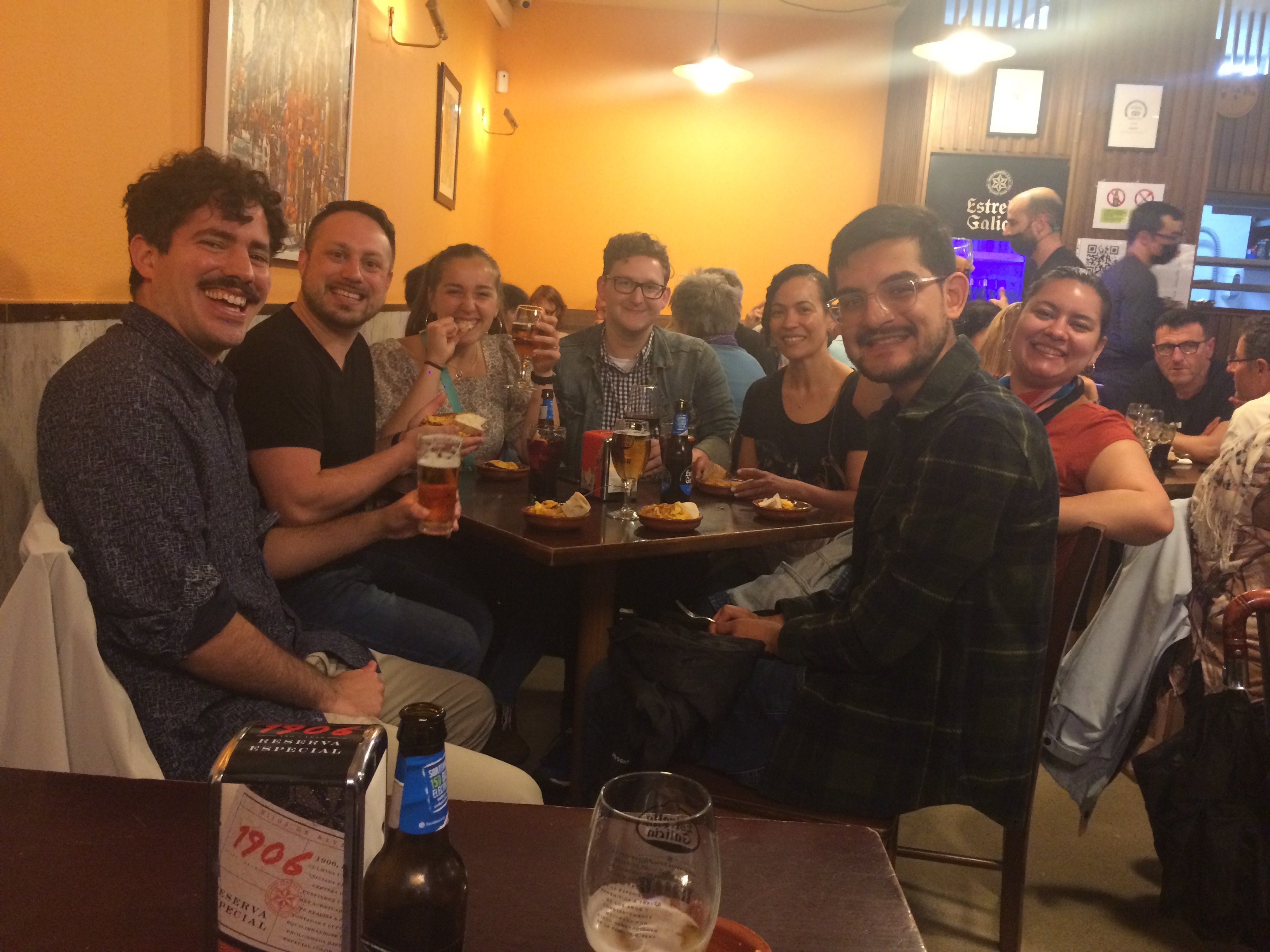
Santiago Evening Food & Drink Walk with Live Music
Explore Santiago's culinary scene across three authentic bars with tapas, drinks, and traditional entertainment
Reserve
Hand-picked by our editors — only the best 5 experiences from 12 reviewed.
Verified partners for every tour, free cancellation where available, and instant confirmation on every booking.
2 hr 30 min
Explore Santiago's culinary scene across three authentic bars with tapas, drinks, and traditional entertainment
Reserve
1 hr
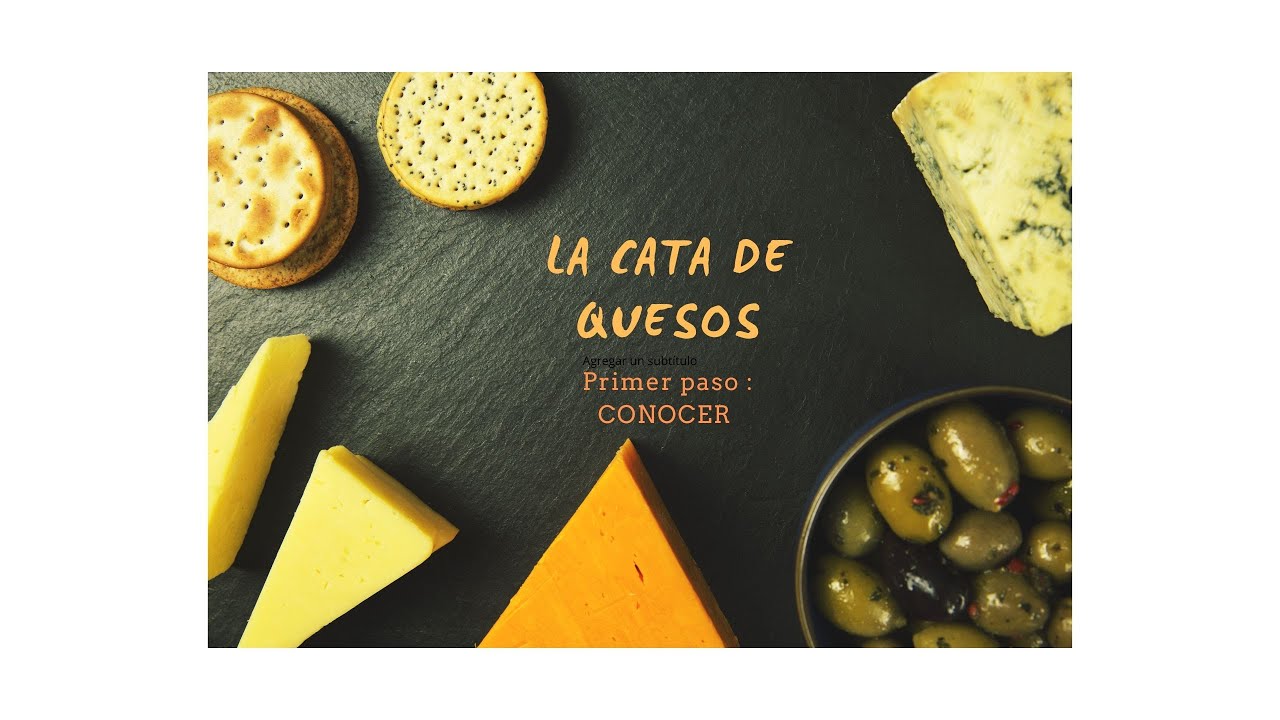
Savor three regional wines paired with artisan cheeses while learning about Galician culinary heritage
Reserve
45 min
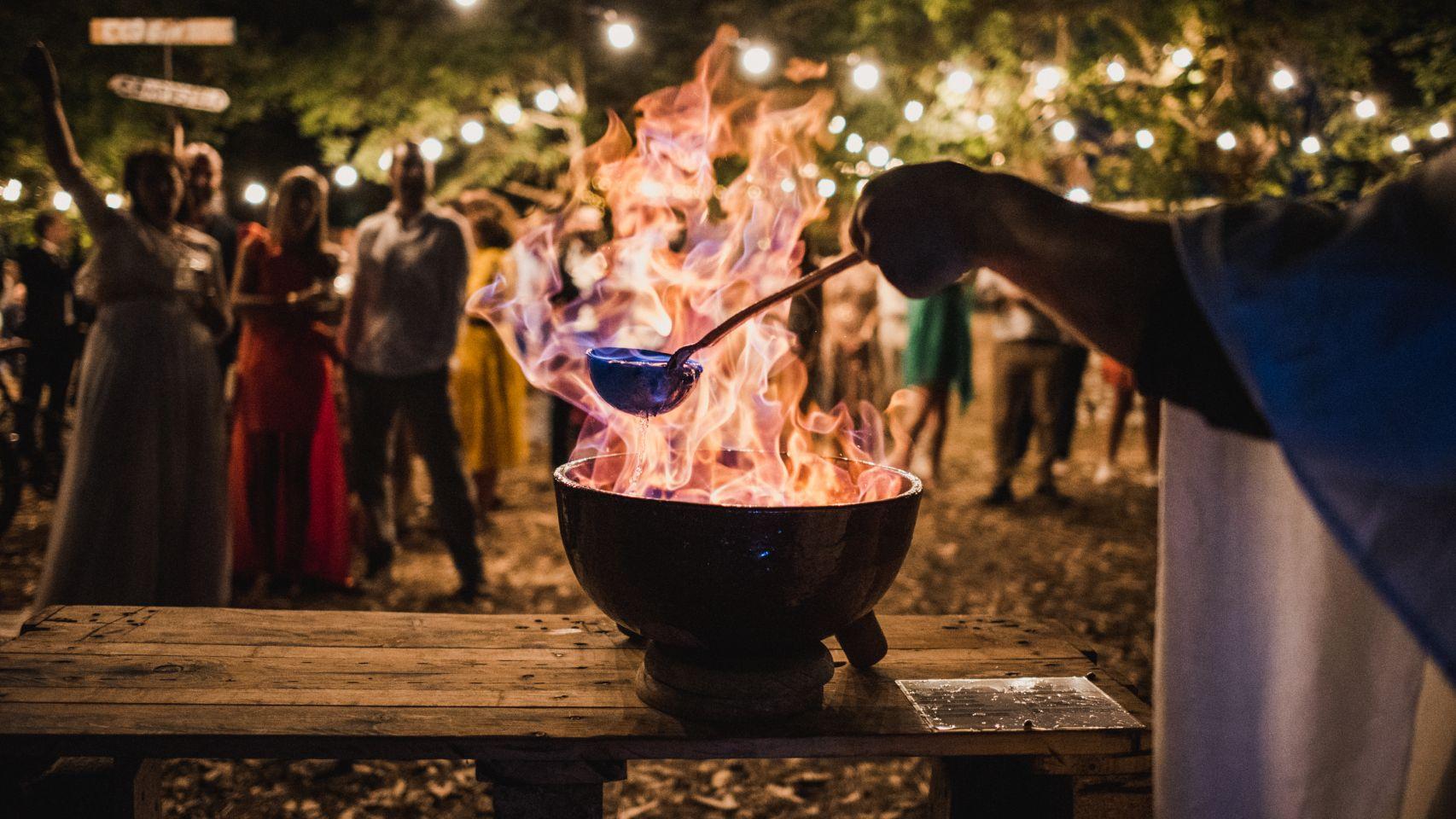
Witness an authentic ritual performance and sample this legendary Galician flaming drink
ReservePrices from verified partners. Availability updates in real time at checkout. Free cancellation policies apply where shown.
The landmarks, rooms, and views travelers on this tour remember — all visible on a single visit.
The grand square serving as the primary meeting point and cultural hub of the city. It is the endpoint for millions of pilgrims visiting Santiago.
The architectural heart of the city featuring Romanesque and Baroque elements. It houses the remains of Saint James the Apostle.
A bustling historic market showcasing fresh local seafood and cheeses. It is essential for understanding the ingredients used in a santiago de compostela food tour.
A historic green space with panoramic views of the city skyline. It provides a quiet contrast to the busy food tour paths.
A historic square adorned with intricate carvings and the iconic fountain. It remains one of the most photographed spots in the old town.
They complement each other; most visitors who do both call the guided santiago de compostela food tour the more insightful choice for historical depth, while the self-guided path offers superior pacing for a relaxed tapas crawl.
| Feature | Top pick Guided Food Tour | Self-Guided Walk |
|---|---|---|
Expert Commentary |
In-depth culinary history provided | None (independent discovery) |
Social Interaction |
Group environment and local networking | Private or solo experience |
Flexibility |
Fixed departure and route | Completely self-directed pace |
Time Commitment |
3–4 hours per santiago de compostela food tour tour | Variable based on personal preference |
Structured Learning |
Curated insights into galician gastronomy | Learning through ad-hoc observation |
Cost Efficiency |
Higher cost for santiago de compostela food tour tickets | 0 EUR (costs are individual consumption only) |
| See tickets → |
Verdict: Choose the santiago de compostela food tour tours if you prefer a social, educational deep dive, or opt for the self-guided route to explore the Old Town landmarks at your own speed.
Choose your ticket, select your date, and reserve in under two minutes. Secure checkout handled by our verified partner.
Instant confirmation by email, with a mobile voucher you can save offline. No printing, no queuing at a collection desk.
Arrive at the entrance, show your voucher on your phone, and walk in. Most tickets include priority or skip-the-line access.
Practical details for your visit straight from our verified partners — hours, access, rules, and how to get there.
Casco Histórico, Santiago de Compostela
Look for the guide holding the logo sign
The city center is best navigated on foot
Available to reach the edge of the historic zone
Casual and comfortable footwear is recommended for navigating the stone-paved streets during a santiago de compostela food tour.
Keep belongings minimal, as most traditional taverns visited on a santiago de compostela food tour have limited space.
Photography is generally welcome in public squares and most establishments, though always ask permission inside private kitchens during your santiago de compostela food tour.
The Casco Histórico contains uneven granite surfaces and steep inclines. Advise your guide before your santiago de compostela food tour if you have mobility restrictions.
Mobile phone usage is permitted, but remain present to engage with the local culinary history of Santiago.
Family participation is common, though evening schedules may be late for young children. Confirm specific age policies for your chosen santiago de compostela food tour.
Tours typically include multiple stops for regional delicacies like pulpo a feira and Tarta de Santiago. Inform operators of allergies before your santiago de compostela food tour.
Pets are generally not permitted inside small, crowded food establishments on a santiago de compostela food tour.
The entrance fee for city-wide activity is 0 EUR. Individual operators charge for their specific santiago de compostela food tour services.
Casco Histórico, Santiago de Compostela
Look for the guide holding the logo sign
Get directionsBest time to go, insider tips, nearby landmarks, and the cancellation fine print — flip through to skim what matters to you.
How crowds, weather, and events shift across the year.
Mild temperatures and fewer crowds for your santiago de compostela food tour.
High season with vibrant street life and long daylight hours.
Harvest season offering fresh ingredients for your santiago de compostela food tour.
Cooler weather perfect for indoor wine and tapas experiences.
Small details that turn a good visit into a great one.
Reservations fill quickly for weekend slots on a santiago de compostela food tour.
Guides are local experts on Santiago gastronomy and history.
Arrive between 19:00–22:00 to experience the peak tapas atmosphere.
Eating in Spain is a slow, social process during every santiago de compostela food tour.
Non-bookable sights within a short walk — free to visit, easy to pair.
A Romanesque masterpiece and final stop of the Camino de Santiago route
A historic market where local produce is sourced for many a santiago de compostela food tour
Offers views of the cathedral and space for relaxation
A beautiful square located on the southern side of the cathedral
Flexible, no hidden fees.
Refund policies for every santiago de compostela food tour are set by the individual operator. Check your booking confirmation for the specific cancellation window.
Hand-picked options within walking distance — pick a district for vibe, or a specific hotel for convenience.
Historic mill converted into a boutique hotel
Located right in the main square next to the cathedral
Features a quiet garden in the historic center
The heart of all food tour activity
Santiago de Compostela's culinary identity was forged not by nobility but by necessity. For twelve centuries, pilgrims arriving footsore at the cathedral's western façade required sustenance that could be prepared quickly, shared communally, and replicated across the narrow stone lanes of the Casco Histórico. The result was a vernacular cuisine built on Galician staples—octopus from the Atlantic port towns, Tetilla and San Simón cheeses from inland dairies, Albariño wines from the Rías Baixas valleys—served in portions small enough to pass between strangers at a shared table. What began as pragmatic hospitality evolved into a ritual: tapas as social adhesive, eaten standing at marble counters while rain drummed the granite arcades outside. Today, the Old Town's seventy-three licensed taverns maintain that pilgrim-era ethos. Chefs still break down whole octopus every morning, still age cheeses in the same stone cellars their great-grandparents used, still pour Ribeiro wine from ceramic jugs rather than bottles. The queimada ceremony—flaming aguardiente spiked with lemon peel and coffee beans, served in clay bowls and accompanied by Galician incantations—remains a fixture at weekend gatherings, less tourist spectacle than living folklore. Evening becomes the axis around which Santiago's food culture turns. Between seven and ten, the granite streets fill with locals moving tavern to tavern, a slow procession punctuated by small plates and conversation. The rhythm is unhurried, the portions modest, the emphasis on companionship rather than satiation. A Santiago de Compostela food tour operates within this framework. Guides lead groups through the Casco Histórico's medieval grid, stopping at family-run establishments where the menu has not changed in decades. You taste empanada filled with zamburiñas—queen scallops harvested from cold Atlantic waters. You sample Padrón peppers charred in olive oil, their heat unpredictable, their flavor immediate. You learn to distinguish Arzúa-Ulloa from Tetilla by texture alone. The walks favor taverns clustered near Rúa do Franco and Praza de Cervantes, where chefs work within sight of the counter and regulars occupy the same stools they claimed thirty years prior. This is not fusion or reinvention. It is Galician cooking as it was practiced when the pilgrimage routes were the only roads that mattered, preserved now in the oldest continuous culinary corridor in Europe.
"Tapas in Santiago began as pilgrim sustenance, eaten standing at shared tables while rain drummed the granite arcades outside."
A step-by-step walkthrough of the visit — what you'll see, how long each stage takes, and the details that matter.
You meet your group at dusk in Praza do Obradoiro, where the cathedral's western towers catch the last amber light. Your guide leads you east into the Casco Histórico, past shopfronts shuttered for the evening and café tables arranged along narrow cobbled lanes. The first stop is a tavern on Rúa do Franco, its counter lined with clay bowls of olives and anchovy-stuffed peppers. You stand elbow-to-elbow with locals, taste octopus dressed in paprika and olive oil, sip Albariño poured from a ceramic jug. The second tavern sits in the shadow of the Convento de San Francisco. Here you sample Galician cheeses—creamy Tetilla, smoky San Simón—paired with quince paste and oat crackers. Your guide explains the aging process, the regional dairies, the protected designations. The third stop brings you to a cellar bar where the queimada ceremony unfolds. The guide ignites aguardiente in a clay bowl, chants a Galician incantation, ladles the flaming liquid into small cups. You drink the bitter, aromatic spirit while musicians tune their instruments in the corner. The final tavern offers empanada—hand-crimped pastry filled with tuna or scallops—and Padrón peppers still hot from the griddle. You finish near Praza de Cervantes as the bells of San Martín Pinario toll ten. The tour lasts three hours, covers six tastings, and deposits you back into the Old Town's evening current, fed and oriented.
Yes, booking a santiago de compostela food tour in advance ensures your spot with preferred operators. Tickets are managed directly through each provider.
Most tours operate in the evening to match local culture. The best arrival window is 19:00–22:00 for the optimal atmosphere in Santiago.
The Casco Histórico has cobblestones and inclines, making some areas challenging for a santiago de compostela food tour. Contact your operator regarding specific mobility needs.
Many private versions of a santiago de compostela food tour allow for modifications based on dietary preferences. Check with your chosen company when booking.
For the most authentic experience, the best arrival window is 19:00–22:00 to enjoy the evening tapas culture in Santiago.
Most family-friendly tours allow children, but check the age policies for each santiago de compostela food tour. Late hours might be tiring for younger participants.
The entrance fee is 0 EUR for the city itself, though you pay for the specific services provided by your santiago de compostela food tour operator.
Bring comfortable walking shoes, a light jacket, and an appetite for local Galician cuisine on your santiago de compostela food tour. Keep bags small for crowded venues.
The meeting point is typically within the Casco Histórico, which is best accessed by walking through the narrow streets of Santiago.